Garage door repair
For doors that stick, sag, reverse, or no longer complete a cycle. The repair page covers the inspection, the usual failure points, and when the job should move to a specialist page such as springs or cables.
Garage door repairService index · Texas
This is the map of the work STCRON Garage Door schedules: repair, installation, replacement, springs, openers, cables, panels, maintenance, and separate paths for homes and commercial buildings.
How to use this page
Garage door services is the catalog. It is not the same request as “my door will not open,” and it is not the same request as “I want a new door.” If the door is already failing, go to garage door repair. If you are planning a new door or a full changeover, go to installation or replacement. This page exists so those paths stay distinct and so you can see how the hardware pages connect.
STCRON Garage Door serves Texas, with offices in Dallas and Fort Worth. The company works on residential sectional doors and on commercial openings. We do not publish a stack of near-duplicate city pages. The service areas page is the geography, and your address is confirmed when you get in touch.
Every service below is performed as a scoped visit. We look at the door, explain what we found, and separate a part that can be repaired from a system that should be replaced. Warranty language, when it applies, comes from the part manufacturer and from the written scope for that job. This index does not add a guarantee on top of that.
Primary work
These pages carry the main jobs. Read the one that matches the door you have, then use the related links on that page if the fault is more specific.
For doors that stick, sag, reverse, or no longer complete a cycle. The repair page covers the inspection, the usual failure points, and when the job should move to a specialist page such as springs or cables.
Garage door repairFor openings that cannot wait in their current state: off the track, a broken spring with the door down on a car, or a door that will not stay up. Read the safety notes before anyone tries to move it.
Emergency repairSetting a door into an opening, including the track, balance system, and, when requested, a new opener. Use this when the project is a door, not a single worn roller.
View installation optionsThe decision page for doors that are rusted through, repeatedly failing, or no longer worth matching with leftover sections. It sits beside repair so the choice is explicit.
ReplacementTorsion and extension springs. A broken spring is a balance failure. The page explains the warning signs and why winding hardware is not a home project.
Spring repairWall controls, remotes, sensors, and motors that click, hum, or reverse. The page also says when the door, not the opener, is what actually failed.
Opener repairSupporting work
A new operator on an existing door, or an opener planned with a new door. Rail, force settings, and safety sensors are part of the conversation.
Opener installationLift cables, vertical and horizontal track, rollers, and hinges. This is the page for a door that has jumped the track or hangs to one side.
Cable and track repairOne section versus the whole door. Dents, rust, and impact damage do not all justify the same scope.
Panel repairA planned tune-up: balance, hardware, safety reversal, and lubrication suited to the Texas climate. Not a substitute for repair when something is already broken.
MaintenanceRolling steel and sectional doors on businesses, docks, and other non-house openings, including the downtime that comes with them.
Commercial servicesThe homeowner path: attached garages, two-car doors, noise, and the way a house uses the door every day.
Residential repairChoose a path
Use this as a routing table. It is not a diagnosis. If two rows sound right, start with the safety-sensitive one.
| What you are seeing | Start here | Also read |
|---|---|---|
| Door will not open, or it stops halfway and has done this more than once | Garage door repair | Opener repair |
| Loud bang, door suddenly heavy, or a visible gap in the spring | Spring repair | Emergency repair |
| Door is crooked, off the track, or a cable is loose or frayed | Cable and track | Emergency repair |
| Opener light flashes, remote does nothing, or the door reverses | Opener repair | Opener installation |
| One section is dented or rusted and the rest of the door is sound | Panel repair | Replacement |
| You want a new door, or the old one has failed repeatedly | Installation | Replacement |
| Nothing is broken; you want the system checked | Maintenance | Residential repair |
| The opening is a shop, dock, or warehouse | Commercial services | Garage door repair |
On site
The details change with the door. The shape of the visit does not. We confirm the property type, look at the moving parts that can injure someone if they fail, and separate “this part is worn” from “this part failed.”
If the inspection shows a different fault than the one you named, we say so. A noisy opener is sometimes a dry roller. A door that reverses is sometimes a limit setting and sometimes a broken spring. The service pages explain those distinctions so the visit is shorter on confusion, not so you can finish the repair yourself.
Homes
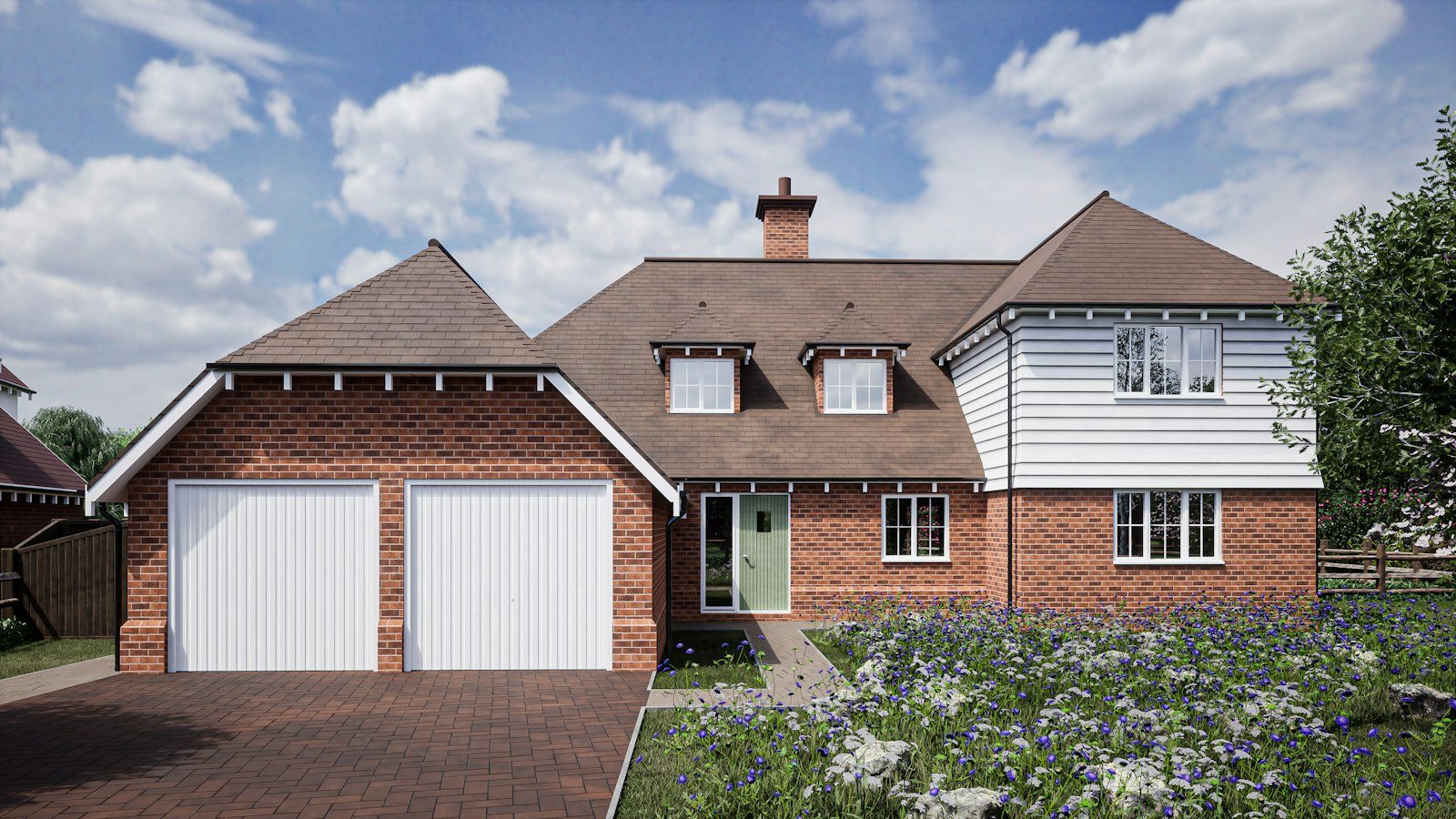
House doors are usually sectional, with an opener, and they close onto a floor that people walk across. Heat, noise, and a seal against dust matter because the garage often touches living space. Start with residential garage door repair if that is the building, even if the broken part is a spring or a sensor. Those hardware pages still apply.
Businesses
A commercial door may be a larger sectional door or a rolling steel curtain. The cost of being wrong is downtime, not only an inconvenience at dinner. Commercial garage door services covers how we talk about access, hours of operation, and hardware that is built for more cycles.
A lot of garage door service requests arrive after a failure that lubrication, roller wear, or a loose bracket had been announcing for months. Garage door maintenance is the page for a door that still works. If the door is already down and will not come up, do not book a tune-up and hope. Use repair or emergency.
Installation describes putting a door in and making it operate. Replacement describes retiring the door you have. People search both because the project often feels like both: the old door comes out, a new one goes in, and the opener may stay or go. Read both pages if you are unsure. We will not treat them as the same sentence on the invoice if the scope is different.
The width and height if you know them, a photo of the whole door and of any broken part, the ZIP code, and whether anyone is trapped or the opening is unsecured. Photos help. They do not replace the inspection. Send them through the contact form only after form delivery is connected, or by email once the published address is the real one.
Still deciding
Start with garage door repair. If something in the description is obviously a spring, a cable, or an opener, open that page next. You do not need to diagnose the door correctly for us to schedule a look.
This site describes service: repair, installation, replacement, and maintenance. It is not a parts counter and it does not list retail inventory. If you need a part installed, say so when you request service.
Yes, when the inspection shows that more than one thing should be addressed. A spring replacement sometimes reveals a frayed cable. We will name both. You can approve one scope and decline the other.
The operating approach is on about. Privacy, terms, cookies, and accessibility are linked in the footer. They are part of using the site, not part of the service menu.
This index is only as good as the distinctions it keeps. Repair is for a door that misbehaves. Installation is for putting a door in. Replacement is the decision to retire one. Springs, cables, openers, and panels are the hardware pages you open when the symptom is already that specific. Maintenance is the planned visit. Emergency is the unsafe opening. Residential and commercial are the buildings. If two pages seem to overlap, they overlap on purpose at the edges, and the body of each page says where the handoff is. You should not have to guess whether a broken spring is “just repair” or its own job. It is both: repair is the visit, the spring page is the hazard and the scope.
Use the table higher on this page as a router, then read one page deeply instead of five pages halfway. When you contact us, you can still say “not sure.” The inspection is allowed to correct the label you chose. What the catalog prevents is a single vague page that tries to rank for every job and explains none of them. If you are comparing companies, the about page is the operating standard, and service areas is the geography. Prices stay off this index because a price without a door is a fiction. The next honest number is a scope.
If you only remember one route, use it: unsafe or off-track doors go to emergency, heavy doors and a bang go to springs, crooked doors go to cables and track, click-and-no-travel goes to opener repair after you note whether the door moves by hand, and a door you want replaced goes to installation and replacement together. Everything else can start on garage door repair. The contact page is where the address gets confirmed. It is not a substitute for reading the page that matches the hazard.
If you already picked a service, you can still write from the contact page. If you have not, the repair page is the safest general start.